
I led design for Codecademy’s Premium offering, established the company-wide Design System. I later served as Design Lead and Manager on the Consumer BU, strengthening product quality and design maturity as the company scaled toward acquisition.
DESIGN LEAD • MANAGER • ACQUIRED
Problems
Codecademy faced three interconnected challenges during my time there:
1. Fragmented Learning Experience
Learners needed more structure, guidance, and community support than the core product offered.
2. No cohesive Design System
Designs varied widely between teams, development was slow, and engineering often had to rebuild one-off components.
3. A scaling organization without shared foundations
As the team grew and the company restructured into Business Units, designers needed better alignment, consistency, and workflows.
Projects I Led + Their Outcomes
OUTCOMES
Premium → Integrated into Pro
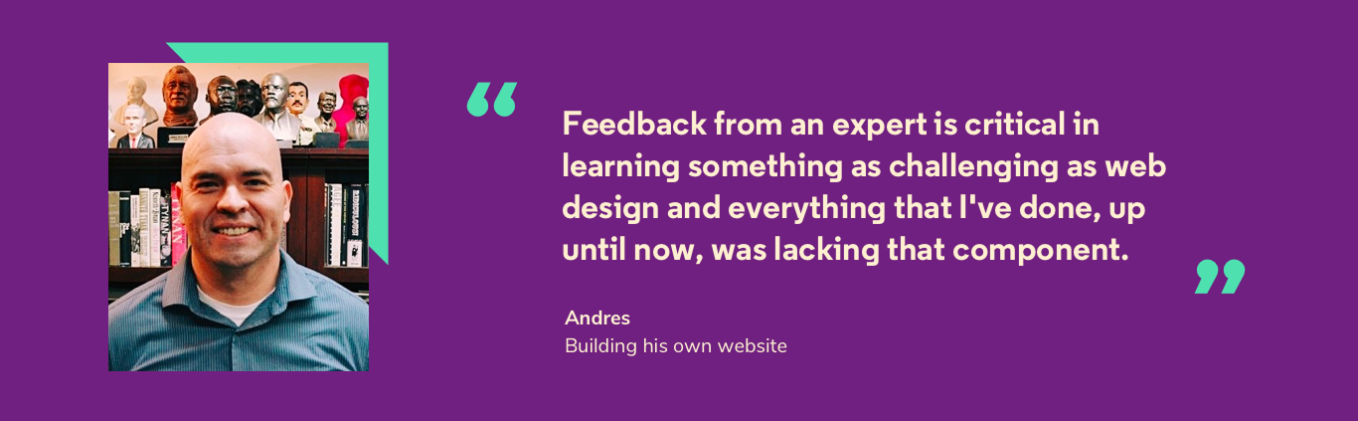
Premium users were more likely to progress in their course vs. Pro or Free users.
The Premium pilot validated strong learner demand for structure and support.
Rather than launching as a standalone product, the most successful elements — cohorts, guided tracks, accountability mechanics — were integrated into Codecademy Pro, strengthening the core offering.
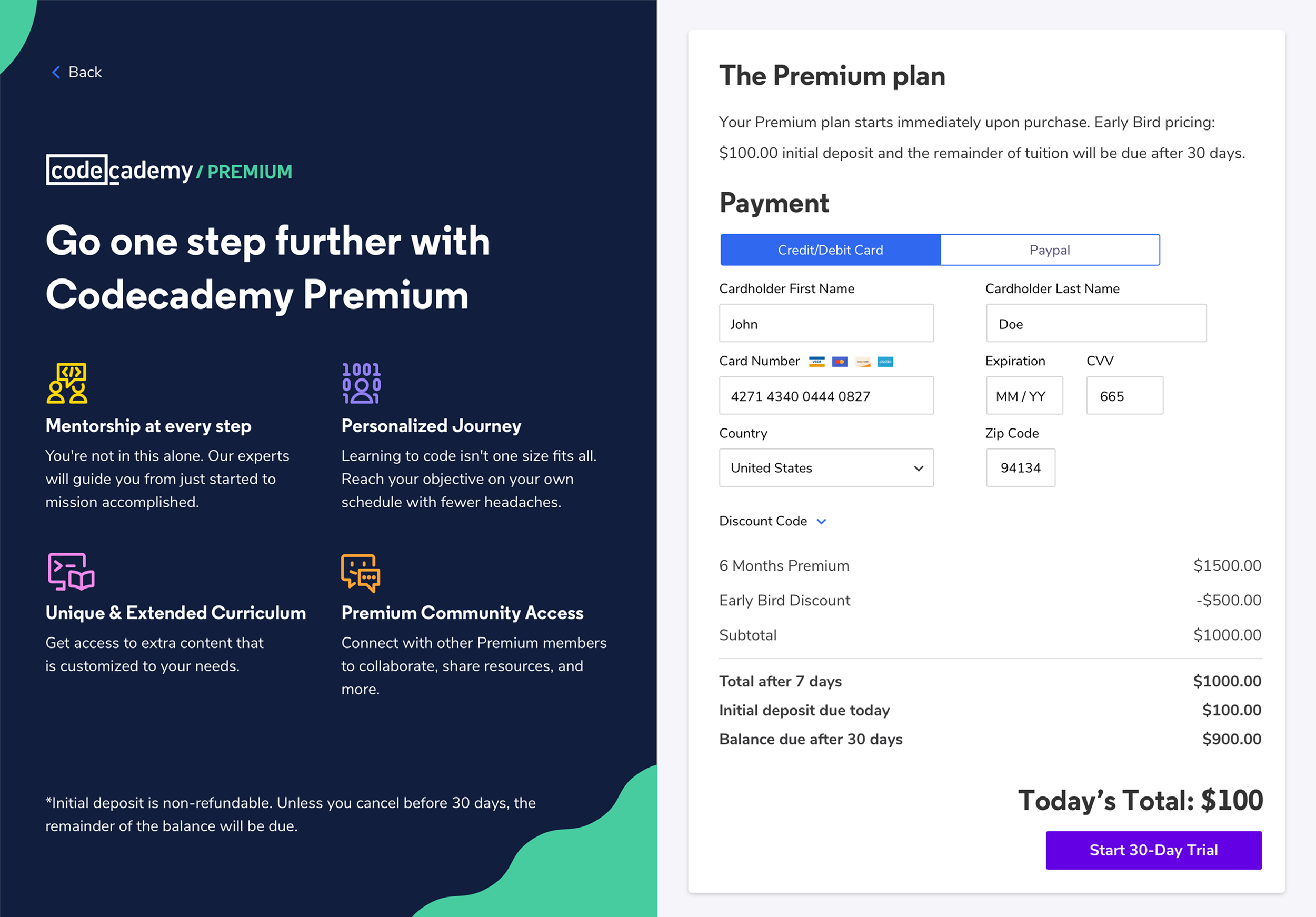
Codecademy Premium (structured learning + cohort experience)
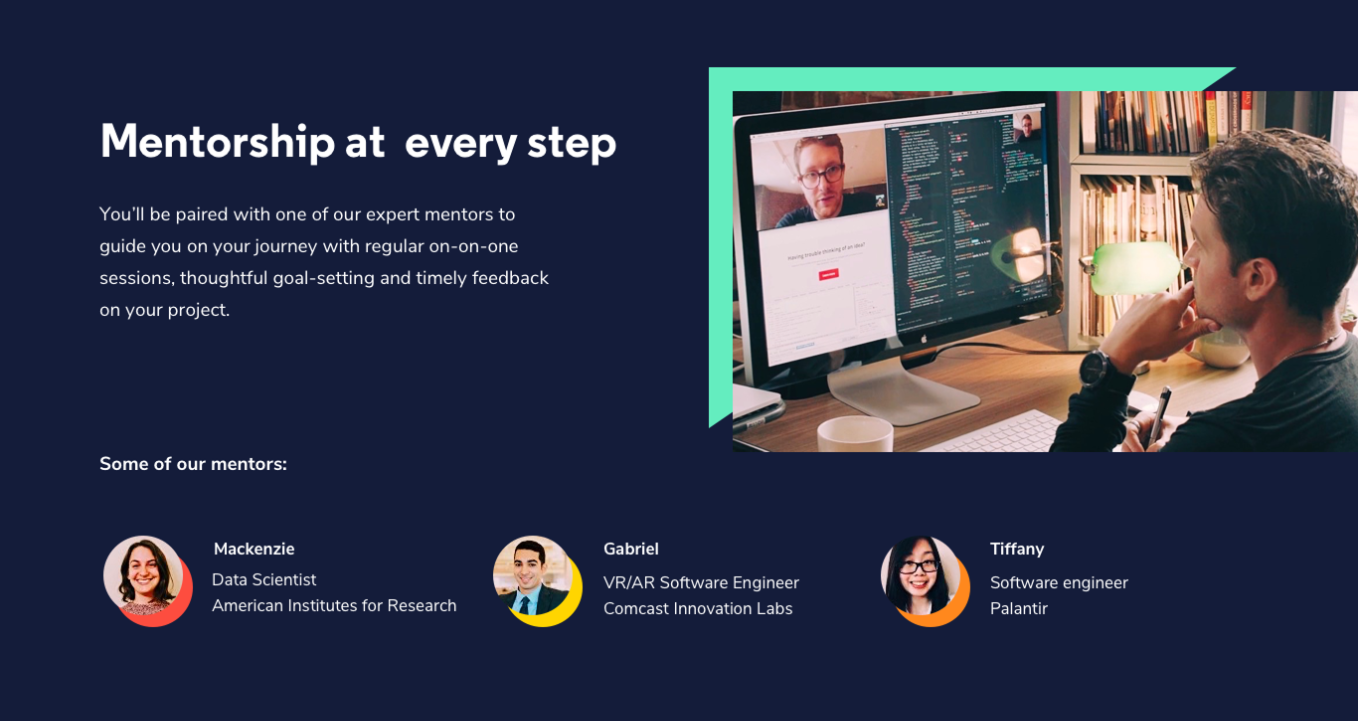
Designed the pilot for Codecademy’s Premium offering, blending guided tracks, coach interactions, and cohort-based accountability.
Created flows for structured weekly goals, learner progress, and early “AI-lite” coach-support tools.
Design System Foundations
Moved the entire org from Sketch to Figma.
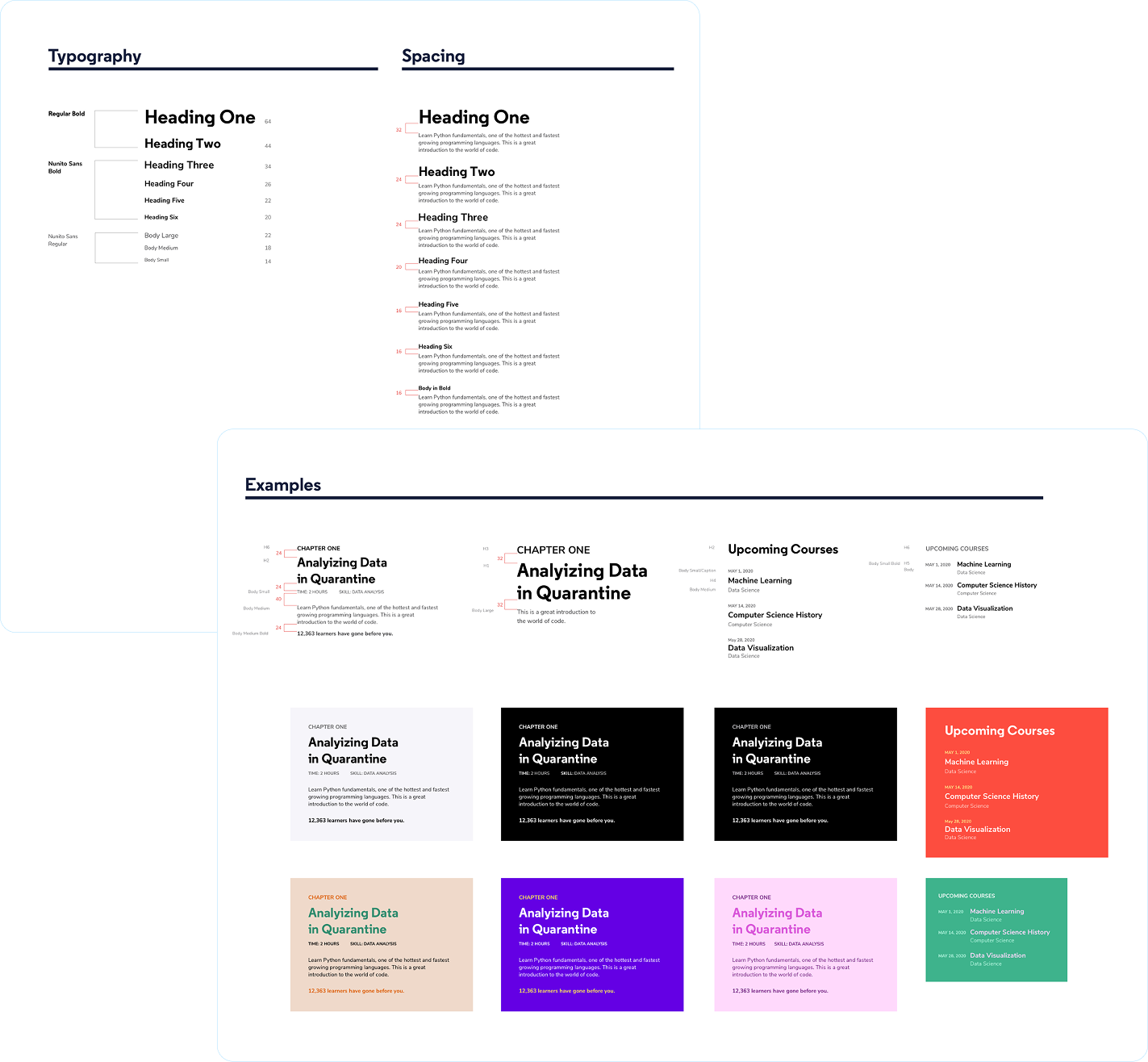
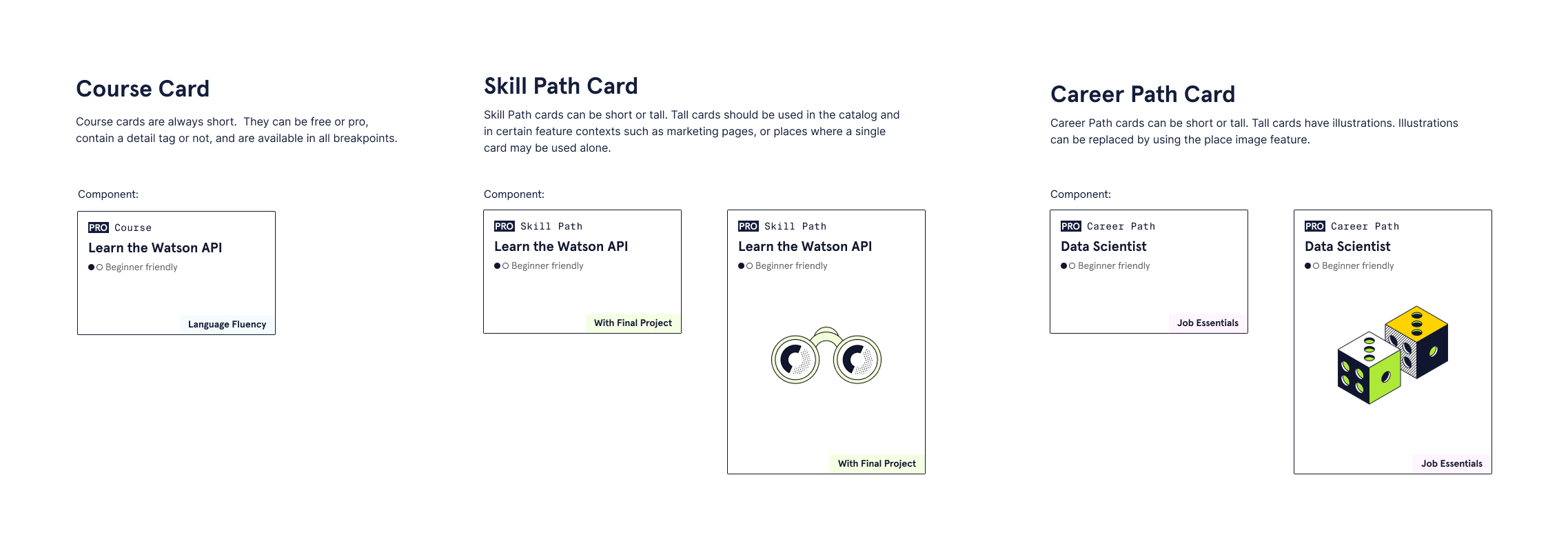
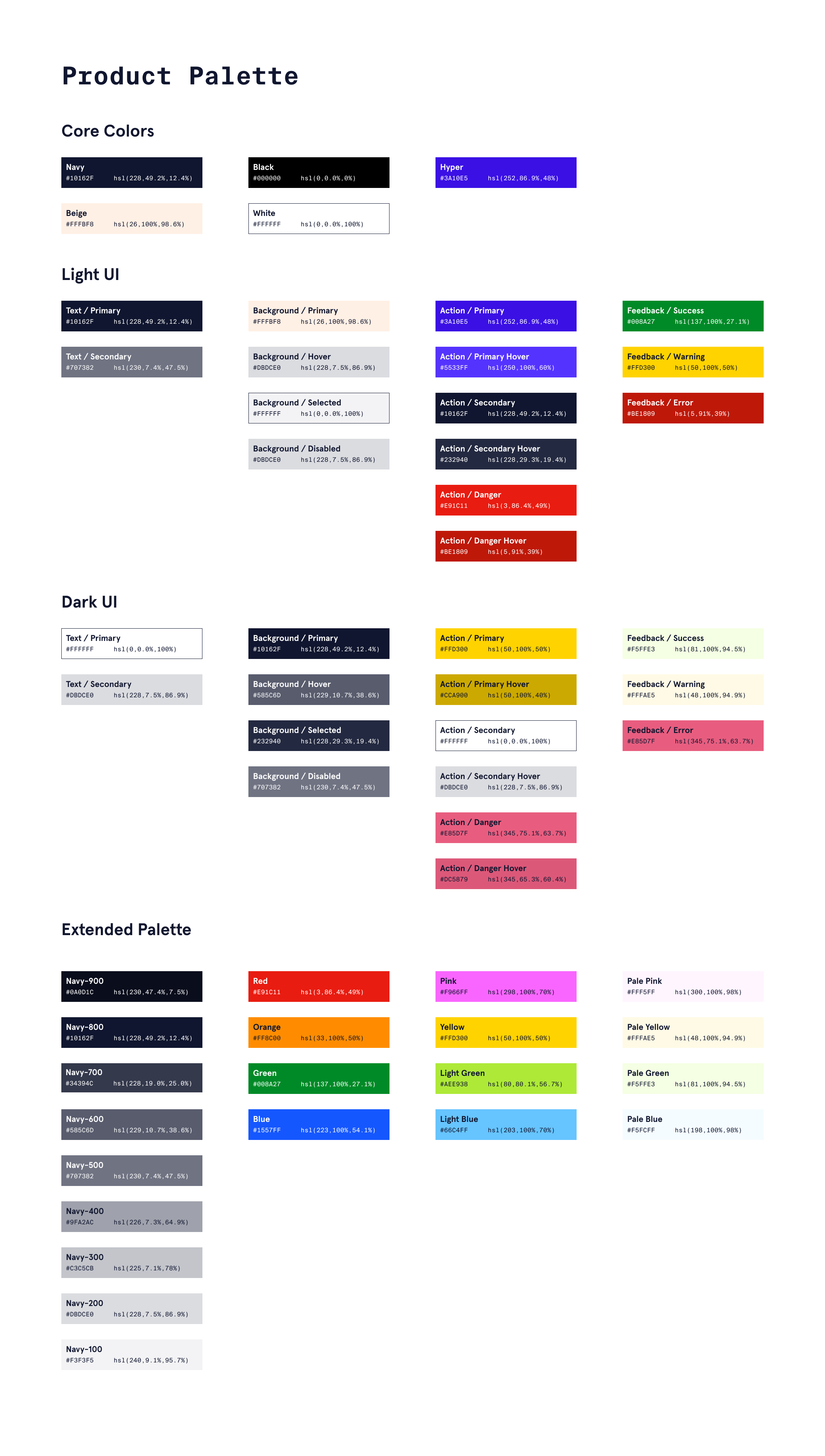
Built the first version of Codecademy’s Design System, covering components, patterns, accessibility improvements, and cross-team guidelines.
Partnered with engineering to create coded components + documentation, improving development speed and reducing inconsistencies.
Hired a dedicated Design Systems designer to scale the work.
OUTCOMES
Design System → Higher quality + faster shipping
Dramatic improvements in design consistency and UI quality
Faster design-to-dev workflow through shared Figma libraries
Simplified engineering implementation with ready-to-use coded components
A design culture more comfortable collaborating closely with engineering
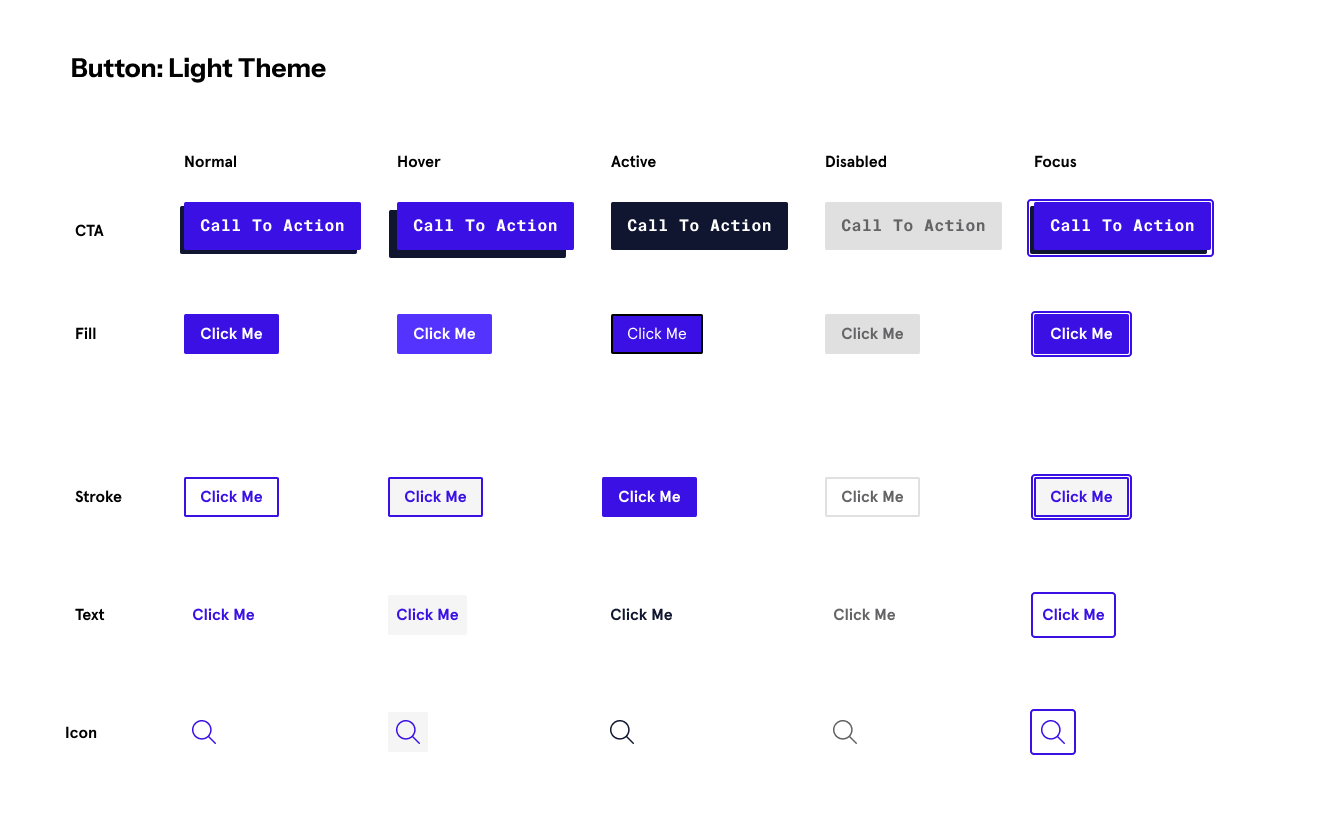
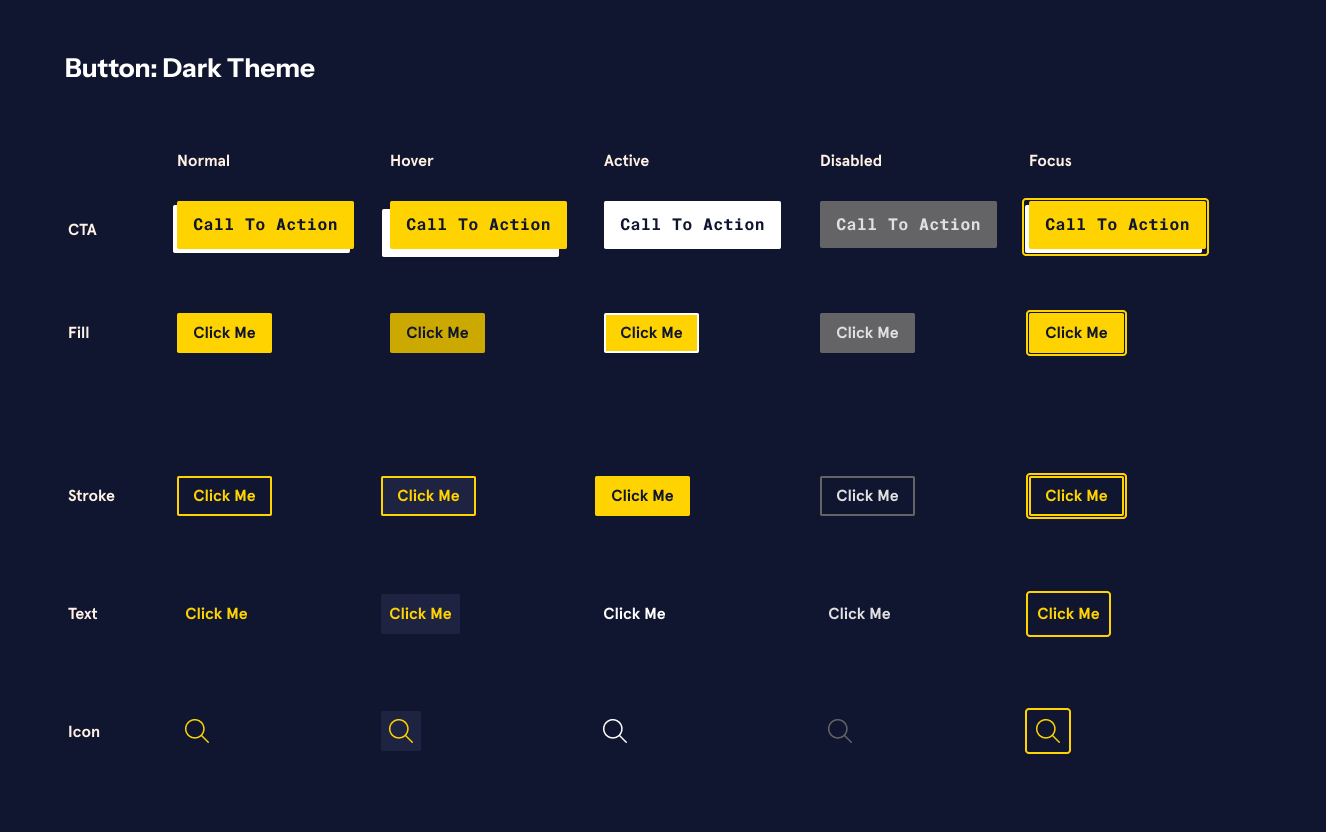
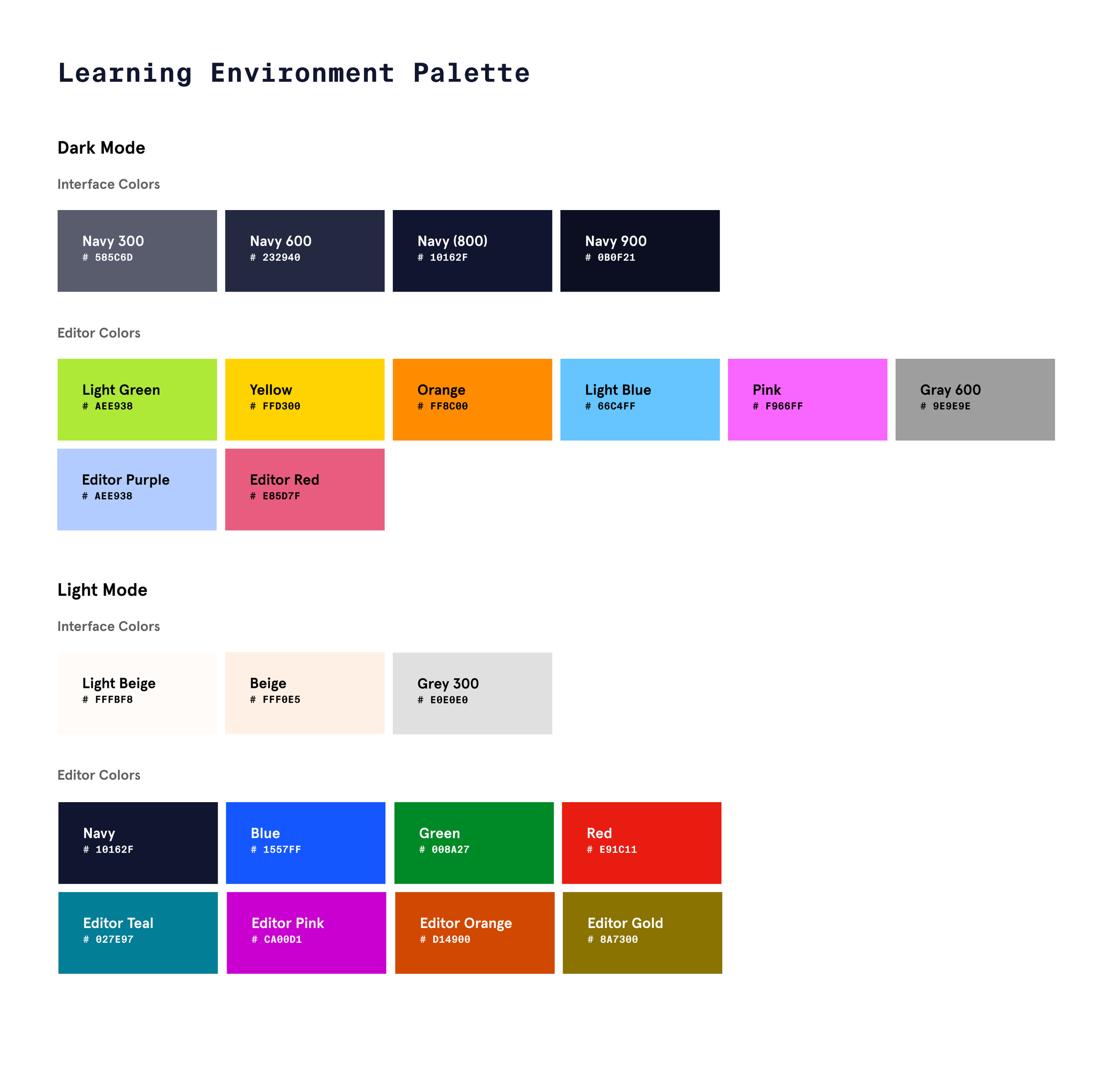
Codecademy’s learning experiences required different UX patterns than the rest of the platform. We evolved the design system to support these needs—introducing learning-specific rules while preserving overall brand coherence.
A strong design system isn’t rigid. It adapts to the product and puts user needs first.
Balancing Consistency and Flexibility
Design Leadership (Consumer BU)
Provided direction, critique, and support across multiple product teams.
Created onboarding and alignment rituals as the company restructured into Business Units.
Helped three designers achieve promotions through structured mentorship and growth planning.
OUTCOMES
Org Maturity → Acquisition readiness
My work contributed to a more stable, scalable product and design foundation. Codecademy was acquired by Skillsoft toward the end of my tenure.
My Biggest Learnings
How to build strong design systems: It’s crucial to invest in culture and alignment with engineering and product.
Making successful learning products: Build as structure that balances flexibility with accountability.
Increasing Velocity: The fastest product & design velocity comes from strong foundations and deep collaboration with other disciplines, not just execution speed.
Amplifying Design Team Impact: Supporting other designers through clarity, critique, and mentorship amplifies impact beyond individual contributions.